
HEAL – documentary
In the Netflix documentary HEAL, it is argued that the modern human body has learned to hold on to emotions and stress. Hoarding this energy creates a “density” of energy in our bodies, leading to Western diagnoses of chronic illness. The Eastern medicinal perspective is to release this energy, rather than medicate. Greg Braden, a geologist, states that “every organ in the human body has the ability to repair heal itself, given the right environment.” He argues that this environment is proper nutrition, chemical (such as supplements), outer environment, and inner environment (mindset and stress perception). In the documentary, multiple individuals provide anecdotes regarding their chronic illness diagnoses and how they combated these illnesses with stress management and healthy lifestyle changes.
This documentary states that 90% of doctor visits are in relation to stress-related illnesses. This seems like a very large percentage, but I believe that it could also be effected by repeat visits by individuals with chronic illness, rather than limited visits by individuals with acute ailments. Another interesting point that the documentary makes is that Western medicine was founded using a mechanistic viewpoint. In Western medicine, the body is regarded as a machine that can be given specific inputs to fix any issues. Eastern medicine argues the opposite, that the body is not a machine, but all energy. This resource specifically tackles the issue addressed in my guiding question: how does stress effect the body? This source delves deeply into chronic stress and its connection to chronic disease.
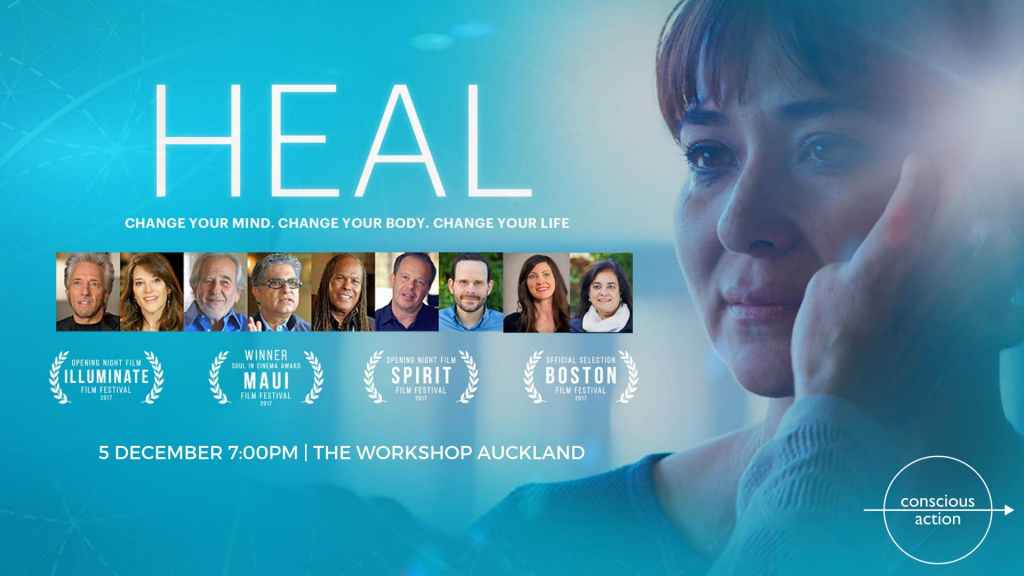
HEAL. (2019, February 01). Retrieved July 06, 2019, from https://www.netflix.com/title/80220013
 Miss Worth
Reply