
Apple Watch
The Apple Watch is a multi-functional piece of technology, largely marketed as a fitness tool. The watch can be customized with nearly infinite apps to aid an individual in their health and wellness journey. Apps that I use on a regular basis to aid in both my physical and mental health are:
- Heart Rate Monitor – a default app that comes with the watch. The wearer can check their heart rate at will or can be notified if their heart rate enters a pre-specified range. I use the heart rate monitor to evaluate my physiological reactions to stress (during scary movies, when experiencing anxiety, etc.) and to track the intensity of my workouts.
- Breathe – the Breathe app can be set to notify the wearer at specific times during the day or randomly. When using the Breathe app, the wearer is given a guided breathing exercise with the goal of relieving stress.
- Activity – Activity is a default app that comes with the watch. It monitors calories burned throughout the day, time spent standing, and minutes spent exercising (with an increased heartrate).
- Moodnotes – the Moodnotes app presents the wearer with a neutral smiley face with a flat line as a mouth. The wearer can then use the turning wheel on the side to change the face to become happier or more upset – essentially, find an emotion on the provided scale. The wearer then saves the chosen face and can reflect back on previously saved faces. I use this as a method to track my moods. I can compare my moods based on whether or not I exercised that day (tracked by the Activity app) and time of day.
The Apple Watch is a very relevant artifact to my research. I can track my own personal physical and mental responses to stress and exercises, as well as reflect back on them.
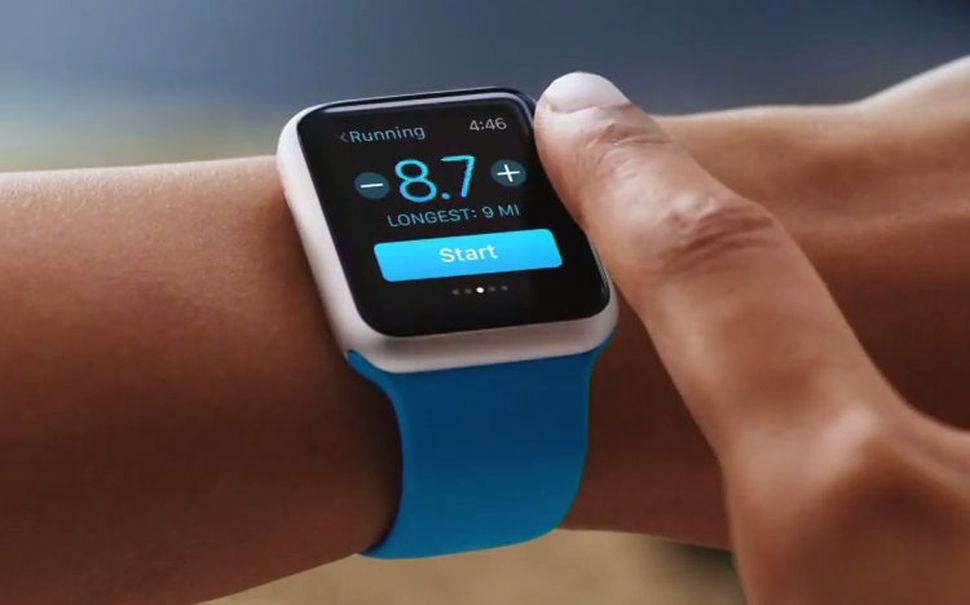
Apple. (2019, July 6). Apple Watch [Series 2, 42mm with HR Monitor, Breathe, Activity, Moodnotes].
 Miss Worth
Reply